

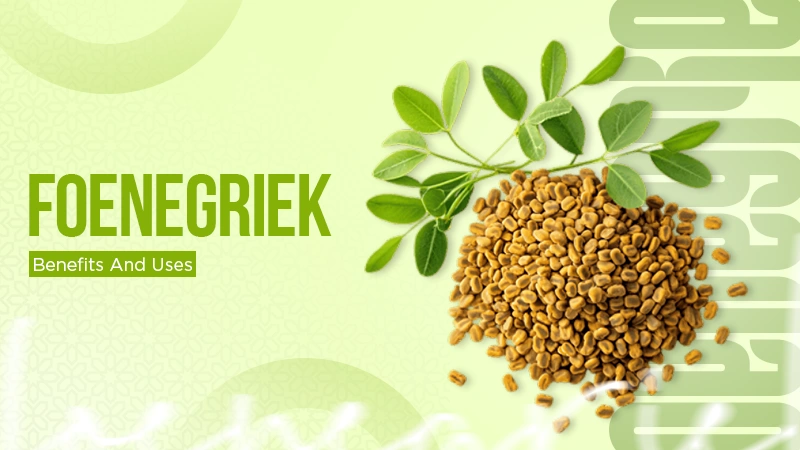
Foenegriek is a well-known herb that has been valued for centuries across different cultures for its nutritional properties, culinary versatility, and traditional wellness applications. Derived from the seeds and leaves of the fenugreek plant, has become increasingly popular among individuals seeking natural ingredients that support a balanced lifestyle. Its distinctive aroma and slightly bitter taste make it a unique addition to numerous recipes and herbal preparations.The growing interest in natural nutrition has brought into the spotlight. Researchers, nutrition enthusiasts, and culinary experts continue to explore its potential uses in everyday diets. From traditional kitchens to modern wellness practices, this herb maintains a strong reputation for offering a rich combination of nutrients, flavor, and historical significance.
Foenegriek and Its Origins
Foenegriek originates from the fenugreek plant, scientifically known as Trigonella foenum-graecum. This annual herb belongs to the legume family and has been cultivated for thousands of years throughout Asia, the Middle East, and parts of Europe. Historical records suggest that ancient civilizations recognized its value for both culinary and agricultural purposes.Over time, spread across various regions due to trade and cultural exchange. Today, it is cultivated worldwide and remains an important ingredient in traditional recipes. Its adaptability to different climates and growing conditions has contributed to its continued popularity among farmers and consumers alike.
Nutritional Profile of Foenegriek
The nutritional composition of is one of the primary reasons for its widespread use. The seeds contain dietary fiber, plant-based protein, vitamins, minerals, and beneficial plant compounds that contribute to overall nutritional value. These nutrients make it a desirable ingredient for balanced meal planning.
The following table highlights key nutrients commonly found in seeds.
| Nutrient | Approximate Presence |
|---|---|
| Dietary Fiber | High |
| Protein | Moderate |
| Iron | Significant |
| Magnesium | Moderate |
| Potassium | Moderate |
| Vitamin B6 | Present |
| Antioxidants | Present |
These nutrients work together to support various bodily functions while enhancing the nutritional quality of meals and herbal preparations.
Historical Significance of Foenegriek
The history of stretches back thousands of years, making it one of the oldest cultivated herbs known to humanity. Ancient societies utilized it in food preparation, agricultural practices, and traditional wellness routines. Archaeological findings indicate its presence in several early civilizations.Throughout different historical periods, traders transported across continents, contributing to its global recognition. Its enduring presence in historical texts and cultural traditions demonstrates the long-standing appreciation people have had for this remarkable herb.
Traditional Uses of Foenegriek
Traditional communities have incorporated into daily life for generations. It has been used in herbal preparations, household remedies, and culinary traditions that have been passed down through families. Many cultures continue to preserve these practices today.The herb’s versatility allows it to be consumed in several forms, including seeds, powders, teas, and fresh leaves. This flexibility has enabled to maintain relevance in both traditional and modern lifestyles, appealing to individuals who appreciate natural ingredients.
Culinary Applications of Foenegriek
One of the most common uses of is in cooking. The seeds and leaves contribute a distinct flavor profile that enhances soups, curries, breads, sauces, and vegetable dishes. Its slightly nutty and bittersweet taste creates depth in many recipes.Professional chefs and home cooks alike value because it pairs well with a wide range of ingredients. Whether used sparingly as a seasoning or incorporated as a primary flavoring component, it offers a unique culinary experience that enriches numerous cuisines.
Health Benefits Associated with Foenegriek
Many people include in their diets because of its nutritional content and potential wellness-supporting properties. The fiber content may contribute to digestive comfort, while its nutrient profile supports overall dietary quality. These factors have encouraged ongoing scientific interest.Although research continues to evolve, the herb remains popular among individuals seeking nutrient-rich plant foods. Incorporating natural ingredients such as into balanced eating patterns can contribute to a varied and wholesome nutritional approach.
Foenegriek and Digestive Wellness
Digestive health is often discussed in relation to due to its naturally occurring fiber content. Fiber plays an important role in supporting normal digestive processes and promoting regular dietary habits. This characteristic makes the herb a valuable ingredient in many traditional preparations.Regular consumption as part of a balanced diet may help individuals increase their overall fiber intake. Since modern diets sometimes lack sufficient fiber, nutrient-dense herbs like can contribute positively to nutritional diversity and digestive well-being.
Role of Foenegriek in Modern Nutrition
Modern nutrition emphasizes whole foods and plant-based ingredients that provide multiple nutrients simultaneously. aligns well with this philosophy because it contains fiber, protein, minerals, and beneficial plant compounds within a single ingredient.Nutrition professionals often encourage dietary variety, and herbs such as contribute both flavor and nutritional value. Its inclusion in contemporary meal planning demonstrates how traditional ingredients can remain relevant in modern dietary approaches.
Cultivation and Growing Conditions
The cultivation of is relatively straightforward, making it an attractive crop for both commercial producers and home gardeners. The plant typically thrives in sunny environments with well-drained soil and moderate watering requirements.Farmers appreciate its adaptability and relatively short growing cycle. Because the seeds and leaves can both be harvested for use, offers versatility that supports agricultural productivity and consumer demand in various markets.
Different Forms of Foenegriek Available
Consumers can find in several forms depending on their intended use. Whole seeds are commonly available in grocery stores and specialty markets, while powdered versions offer convenience for cooking and blending into recipes.Fresh leaves, dried leaves, capsules, and herbal teas also provide alternative ways to enjoy this herb. The availability of multiple forms allows individuals to select products that best suit their culinary preferences and lifestyle needs.
Foenegriek in Global Cuisine
The influence of extends across many culinary traditions around the world. It is particularly prominent in South Asian, Middle Eastern, and Mediterranean cuisines, where it serves as an essential ingredient in numerous recipes.As international food culture continues to expand, more people are discovering the distinctive flavor of . This growing appreciation has increased demand for authentic ingredients that bring traditional tastes into contemporary kitchens.
Scientific Interest in Foenegriek
Researchers continue to investigate the nutritional composition and potential applications of . Studies often focus on its fiber content, plant compounds, and overall contribution to dietary quality. Such investigations help improve understanding of its role in nutrition.While scientific exploration remains ongoing, the herb’s long history of use provides valuable cultural context. Combining traditional knowledge with modern research creates opportunities for a more comprehensive appreciation of this versatile ingredient.
Storage and Preservation Methods
Proper storage helps maintain the quality and flavor of over time. Whole seeds generally retain freshness longer when stored in airtight containers away from heat, moisture, and direct sunlight. These conditions help preserve their natural aroma and nutritional characteristics.Powders and dried leaves should also be kept in sealed containers to minimize exposure to environmental factors. Appropriate storage practices ensure that remains suitable for culinary and nutritional use for extended periods.
Market Demand and Popularity
The increasing interest in natural foods has contributed significantly to the growing popularity of . Consumers are becoming more aware of traditional herbs and their role in diverse dietary patterns, leading to expanded availability in global markets.Food manufacturers, health-conscious consumers, and culinary professionals continue to embrace this ingredient for its unique combination of flavor and nutritional value. As awareness grows, is expected to maintain its position as a respected and widely used herb.
Conclusion
Remains one of the most fascinating herbs used throughout history and across cultures. Its rich nutritional profile, culinary versatility, and long-standing traditional significance have helped it maintain relevance in both ancient and modern lifestyles. From flavorful recipes to diverse nutritional applications, the herb continues to attract interest among consumers worldwide. Its adaptability and availability in various forms further contribute to its growing popularity.As research and consumer awareness continue to evolve, is likely to remain an important ingredient in kitchens and wellness-focused communities. The combination of flavor, nutrition, and historical heritage makes it a valuable addition to balanced dietary practices. Whether used in cooking, herbal beverages, or traditional preparations, this herb offers enduring value that spans generations and cultures.
FAQs
What is foenegriek?
Foenegriek is the Dutch name for fenugreek, a plant whose seeds and leaves are widely used in cooking, nutrition, and traditional herbal practices around the world.
Where does foenegriek come from?
The plant originated in regions of Asia, the Middle East, and the Mediterranean. It has been cultivated for thousands of years and is now grown globally.
How is foenegriek commonly used in cooking?
It is commonly used in spice blends, curries, soups, breads, and vegetable dishes. Both the seeds and leaves contribute unique flavor characteristics.
What nutrients are found in foenegriek?
The herb contains dietary fiber, protein, iron, magnesium, potassium, antioxidants, and several other beneficial nutrients that support overall nutrition.
Can foenegriek be consumed as a tea?
Yes, many people prepare herbal tea using the seeds. This is one of the traditional ways the herb has been consumed for generations.
How should foenegriek be stored?
It should be stored in airtight containers away from moisture, heat, and direct sunlight to preserve freshness and flavor.
Is foenegriek suitable for modern diets?
Yes, it fits well into modern dietary approaches because it provides nutritional value while enhancing flavor in a variety of dishes.
What forms of foenegriek are available?
It is available as whole seeds, powder, fresh leaves, dried leaves, tea products, and dietary supplements, offering flexibility for different preferences.