

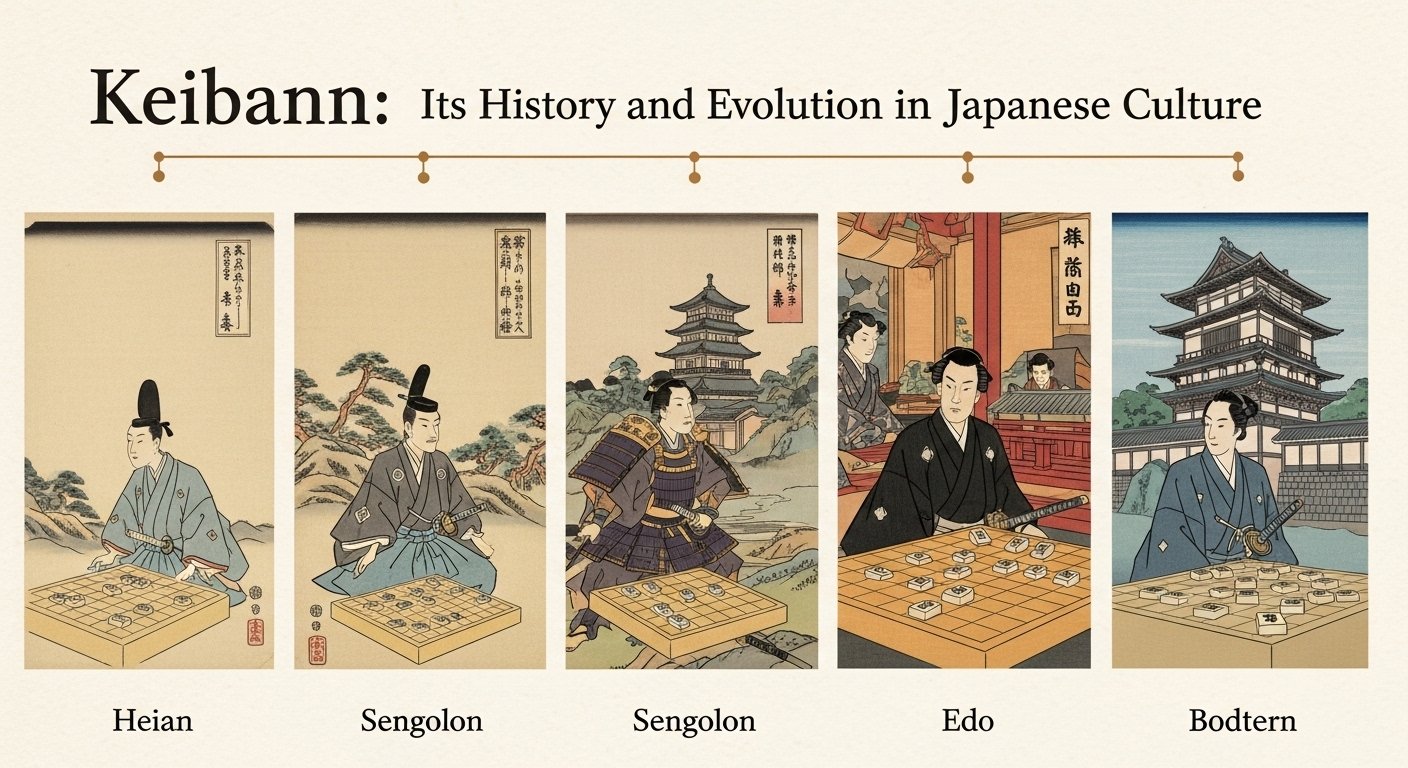
In the vibrant tapestry of Japanese culture, few traditions hold as much intrigue and significance as Keibann. This captivating art form transcends mere aesthetics; it embodies a rich history intertwined with spirituality, nature, and community. From ancient times to modern interpretations, Keibann reflects the evolution of societal values and artistic expression in Japan. As we delve into its origins and explore its traditional practices, we’ll uncover how this unique aspect of heritage continues to resonate today. Join us on a journey through time as we unravel the fascinating story behind Keibann—a treasure waiting to be discovered by new generations.
The Origins of Keibann in Japanese Culture
Keibann, a unique element of Japanese culture, has roots that intertwine with ancient traditions. Its origins can be traced back to the Heian period (794-1185), when horses played a vital role in society. As equestrianism flourished, so did the need for an organized system to identify and manage horses.
The term “keibann” itself is derived from “kei,” meaning horse, and “bann,” which refers to a sign or marker. This reflects its purpose: to denote ownership and lineage among prized steeds.
In those early days, each keibann was crafted from natural materials like wood or bamboo. They often featured intricate designs symbolizing the owner’s family crest or personal emblem.
As time progressed, these markers became more than practical tools; they evolved into cultural artifacts representing status and artistry within Japanese society. The significance of keibann gradually expanded beyond mere identification as it became intertwined with Japan’s rich equestrian heritage.
Traditional Practices and Meaning of Keibann in Japan
Keibann holds a revered place in the tapestry of Japanese tradition. This unique art form combines elements of craftsmanship and spirituality. Often associated with horses, Keibann is intricately designed to symbolize luck, prosperity, and the bond between humans and animals.
Historically, these boards were used in equestrian events, adorned with vibrant colors and detailed motifs. Each design carries specific meanings—some depict auspicious symbols believed to bring good fortune in racing or farming endeavors.
In rural areas, families commonly display Keibann during festivals or important occasions as a gesture of respect towards their heritage. Through rituals involving offerings and prayers at shrines, practitioners invoke blessings for successful harvests or competitions.
The artistry involved extends beyond mere decoration; it reflects deep cultural narratives that resonate within Japanese society today. As such, each piece serves as a reminder of Japan’s rich agricultural roots intertwined with its equine history.
Modern Adaptations and Uses of Keibann
In recent years, Keibann has found new life in modern contexts. Artists and designers have embraced its aesthetic qualities, incorporating traditional elements into contemporary art forms. This fusion creates intriguing pieces that appeal to both local and global audiences.
Social media plays a significant role in the resurgence of Keibann. Influencers showcase their interpretations through visually captivating posts, creating buzz around this cultural artifact. Hashtags associated with Keibann are trending, inviting discussions about its significance.
Moreover, educational institutions incorporate Keibann into curricula focused on Japanese heritage. Workshops teach students the history and craftsmanship behind these boards, fostering appreciation for tradition while encouraging creativity.
Fashion brands also draw inspiration from Keibann patterns. Clothing lines feature designs reminiscent of these unique artworks, bridging the gap between past and present styles effortlessly. The adaptability of Keibann continues to resonate deeply within various artistic expressions today.
Influence of Keibann on Contemporary Society
Keibann has transcended its traditional roots, making significant waves in contemporary society. Today, it stands as a symbol of identity and community for many Japanese people.
Artisans and designers are embracing the keibann aesthetic in various forms, from fashion to home decor. This adaptability showcases how cultural elements can evolve while retaining their essence.
Social media platforms have also played a pivotal role in popularizing keibann. Users share images and stories that highlight personal connections to this cultural phenomenon, fostering a sense of belonging among younger generations.
In educational contexts, schools incorporate keibann into curricula to teach students about heritage. This approach promotes awareness and appreciation of traditions often overshadowed by modern influences.
The influence of keibann reaches beyond Japan’s borders as well, inspiring global artists who infuse its symbolism into their work, broadening its impact on contemporary culture worldwide.
Controversies Surrounding Keibann
Keibann has not been without its share of controversies. Some argue that the practice can perpetuate elitism in Japanese society. The exclusivity associated with certain Keibann events often alienates those who lack connections or resources.
Additionally, debates arise around the treatment of horses used in Keibann competitions. Critics highlight concerns about animal welfare and ethical training methods.
The commercialization of Keibann also raises eyebrows. Traditionalists feel that it’s being diluted for profit, risking the cultural significance embedded in the practice over centuries.
Moreover, there are issues related to gambling and betting linked to these events, prompting discussions about regulation and responsible gaming within this context.
These complexities illustrate how deeply intertwined tradition is with modern challenges surrounding Keibann’s future in Japan.
Conclusion: Preserving the Legacy of Keibann for Future Generations
The legacy of Keibann holds a significant place in Japanese culture. As it has evolved over the centuries, this traditional practice reflects the dynamic nature of cultural expression. Preserving its essence is vital for future generations.
As interest in Keibann grows, there are efforts to keep its traditions alive. Workshops and community events help educate younger audiences about its history and practices. This engagement fosters a deeper appreciation for Japan’s rich heritage.
By sharing stories and experiences related to , we can cultivate an understanding that transcends time. It encourages respect for cultural diversity while celebrating Japan’s unique identity. Through storytelling, art, and education, the spirit of can thrive long into the future.
Efforts must continue to ensure that this cherished tradition does not fade away but instead flourishes with new life. Keeping these practices relevant helps create a bridge between past and present—a connection worth nurturing for years to come.