

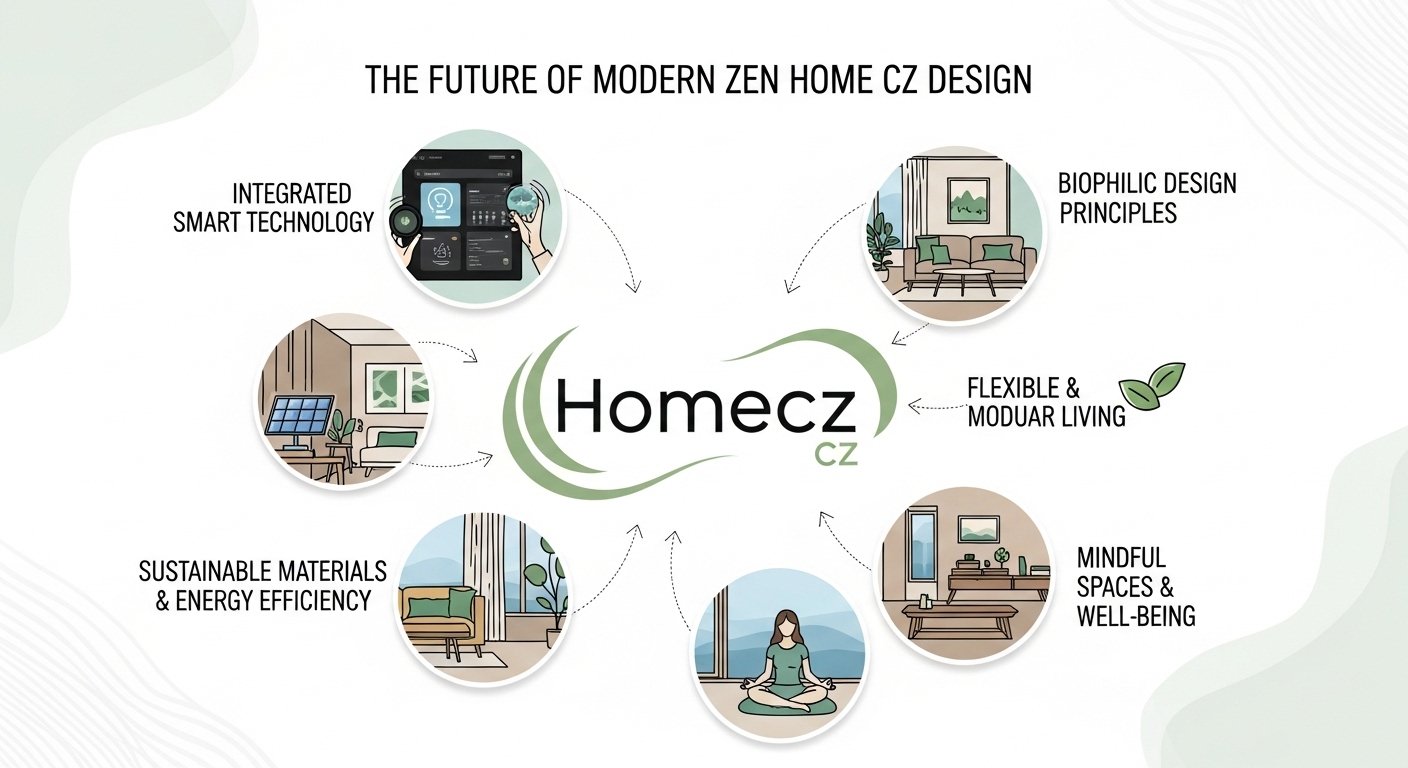
The first time you step into a truly balanced space, you notice something subtle but powerful. It isn’t just the furniture or the lighting it’s the feeling. A quiet clarity. A sense that everything has a purpose, yet nothing demands attention. This is the essence behind Homecz, a concept that is steadily shaping the future of modern living by merging Zen philosophy with contemporary design thinking.
In a world where homes are increasingly becoming hybrid spaces offices, retreats, social hubs the need for intentional design has never been greater. Homecz emerges at this intersection, offering not just aesthetics but a framework for living better. It’s not a trend chasing minimalism or a fleeting design movement; it’s a thoughtful response to how modern individuals want to feel in their spaces.
Understanding Homecz: More Than Just Design
At its core, Homecz is a design philosophy rooted in simplicity, functionality, and emotional well-being. It borrows heavily from Zen principles balance, harmony, and mindfulness while integrating modern technology and lifestyle needs.
Unlike traditional interior design approaches that often prioritize visual appeal, Homecz begins with a different question: How should a space make you feel? From there, every element is curated to support that emotional outcome.
This means fewer distractions, cleaner lines, natural materials, and intentional layouts. But it also means smarter integration of technology, adaptable furniture, and spaces that evolve with the user.
The Rise of Zen-Inspired Living in Modern Homes
The popularity of Zen-inspired interiors is not accidental. As urban life becomes more chaotic and digitally saturated, people are seeking refuge within their homes. The appeal lies in creating environments that counterbalance external noise.
Homecz builds on this by going beyond traditional Zen aesthetics. While classic Zen design emphasizes emptiness and stillness, Homecz introduces functionality tailored to modern living. It acknowledges that today’s homes must support productivity, creativity, and relaxation all within the same space.
This evolution makes Homecz particularly relevant for entrepreneurs, tech professionals, and founders who often operate from home environments.
The Core Principles Behind Homecz Design
To truly understand Homecz, it helps to break down its foundational principles. These are not rigid rules but guiding philosophies that shape every decision within a space.
1. Intentional Simplicity
Simplicity in Homecz is not about removing everything it’s about removing what doesn’t matter. Every object must serve a purpose, whether functional or emotional.
This creates a visual calm that translates into mental clarity, a crucial factor for individuals working in high-pressure environments.
2. Natural Integration
Nature plays a central role in Homecz. Materials like wood, stone, linen, and bamboo are commonly used, not just for aesthetics but for their grounding effect.
Natural light is maximized, and indoor plants are incorporated not as decoration, but as living elements that enhance air quality and emotional well-being.
3. Fluid Functionality
Modern homes are no longer static. A living room might double as a workspace, a bedroom might become a meditation zone.
Homecz embraces this fluidity by designing adaptable spaces. Furniture is often modular, and layouts are flexible, allowing users to reconfigure their environment based on daily needs.
4. Technology with Purpose
Unlike tech-heavy smart homes that can feel overwhelming, Homecz integrates technology quietly. Devices are embedded seamlessly into the environment, enhancing convenience without disrupting the calm.
Think hidden charging stations, voice-controlled lighting, and minimal interfaces that blend into the design rather than dominate it.
How Homecz Redefines Modern Living Spaces
One of the most compelling aspects of Homecz is how it transforms everyday spaces into purposeful environments.
Living Rooms as Reflection Zones
In a Homecz-inspired living room, you won’t find cluttered shelves or oversized furniture. Instead, there’s a focus on openness and flow. Seating arrangements encourage conversation or quiet reflection, while lighting is soft and layered.
The goal is to create a space that adapts to both social interaction and solitude.
Bedrooms as Recovery Spaces
Sleep is treated as a priority in Homecz design. Bedrooms are stripped of distractions no excessive decor, no harsh lighting, no unnecessary electronics.
Textures are soft, colors are muted, and layouts are designed to promote rest and recovery. This aligns with the growing awareness of how environment impacts sleep quality.
Workspaces That Encourage Focus
For entrepreneurs and tech professionals, the home office is critical. Homecz reimagines this space by minimizing distractions and optimizing flow.
Desks are clean, storage is hidden, and lighting is carefully calibrated. The result is a workspace that enhances productivity without inducing stress.
The Business and Tech Angle of Homecz
From a business perspective, Homecz is more than a design philosophy it’s an emerging market opportunity. As remote work continues to rise, the demand for functional yet calming home environments is increasing.
Startups and design firms are beginning to explore Homecz-inspired products, from modular furniture to integrated smart systems. This creates opportunities for innovation in areas like:
- Sustainable materials
- Smart home integration
- Wellness-focused design solutions
For founders, this represents a shift in consumer priorities. People are no longer just buying furniture; they’re investing in experiences and well-being.
A Practical Comparison: Traditional Design vs. Homecz
To better understand the distinction, consider the following comparison:
| Aspect | Traditional Design | Homecz Approach |
|---|---|---|
| Focus | Aesthetics and trends | Emotional and functional balance |
| Space Usage | Fixed and defined | Flexible and adaptable |
| Materials | Mixed, often synthetic | Natural and sustainable |
| Technology | Visible and feature-heavy | Seamless and minimal |
| Clutter | Often decorative | Strictly intentional |
| User Experience | Visual satisfaction | Holistic well-being |
This shift highlights why Homecz resonates with modern audiences it aligns with deeper lifestyle changes rather than surface-level preferences.
The Psychological Impact of Homecz Spaces
One of the most overlooked aspects of design is its psychological impact. Homecz places this at the forefront.
Research in environmental psychology suggests that cluttered environments can increase stress levels, while organized, minimal spaces promote focus and calmness. Homecz leverages these insights by creating environments that reduce cognitive overload.
For entrepreneurs and tech professionals, this can translate into better decision-making, improved creativity, and enhanced overall well-being.
Sustainability and the Homecz Philosophy
Sustainability is not an afterthought in Homecz it’s a core principle. By prioritizing natural materials and reducing unnecessary consumption, this design approach inherently supports eco-friendly living.
Additionally, the emphasis on durability and timeless design reduces the need for frequent replacements, aligning with a more sustainable lifestyle.
This is particularly important in today’s context, where consumers are becoming increasingly conscious of their environmental footprint.
Challenges in Adopting Homecz
While Homecz offers numerous benefits, it’s not without challenges.
One of the primary barriers is the mindset shift required. Many people are accustomed to accumulating items and equating abundance with comfort. Transitioning to a more intentional lifestyle can feel restrictive at first.
There’s also the challenge of balancing minimalism with personalization. A space should still reflect the individual, and achieving this balance requires thoughtful curation rather than elimination.
Finally, integrating technology seamlessly can require upfront investment, particularly for those looking to create fully optimized environments.
The Future of Homecz in a Digital World
As technology continues to evolve, the role of Homecz is likely to expand. We may see deeper integration with AI-driven home systems that adapt environments in real time based on user preferences.
Imagine a home that adjusts lighting, temperature, and even soundscapes based on your mood or schedule all while maintaining a calm, uncluttered aesthetic.
This convergence of design, technology, and psychology positions Homecz as a defining concept for the future of living spaces.
Why Homecz Matters Now More Than Ever
The modern world is fast, complex, and often overwhelming. In this context, the home becomes more than just a place to live it becomes a sanctuary.
Homecz addresses this need by offering a design philosophy that prioritizes clarity, balance, and purpose. It’s not about creating perfect spaces, but about creating spaces that support better living.
For entrepreneurs, tech readers, and founders, this is particularly relevant. The environments we inhabit directly influence how we think, work, and create.
Conclusion
Homecz represents a quiet but powerful shift in how we approach design and living. It moves beyond aesthetics to focus on experience, well-being, and adaptability.
As the boundaries between work and life continue to blur, the importance of intentional spaces will only grow. Homecz offers a blueprint for navigating this new reality one that is grounded in simplicity, enhanced by technology, and deeply human at its core.
The future of modern living isn’t about having more. It’s about living better, with spaces that reflect clarity, purpose, and balance.